
Roofing decisions get made in minutes but live with the building for decades. For a warehouse, factory, cold storage unit, or logistics park, the roof isn’t just a weather shield — it directly affects leak risk, energy bills, maintenance schedules, and how much you’ll spend on repairs ten years from now.
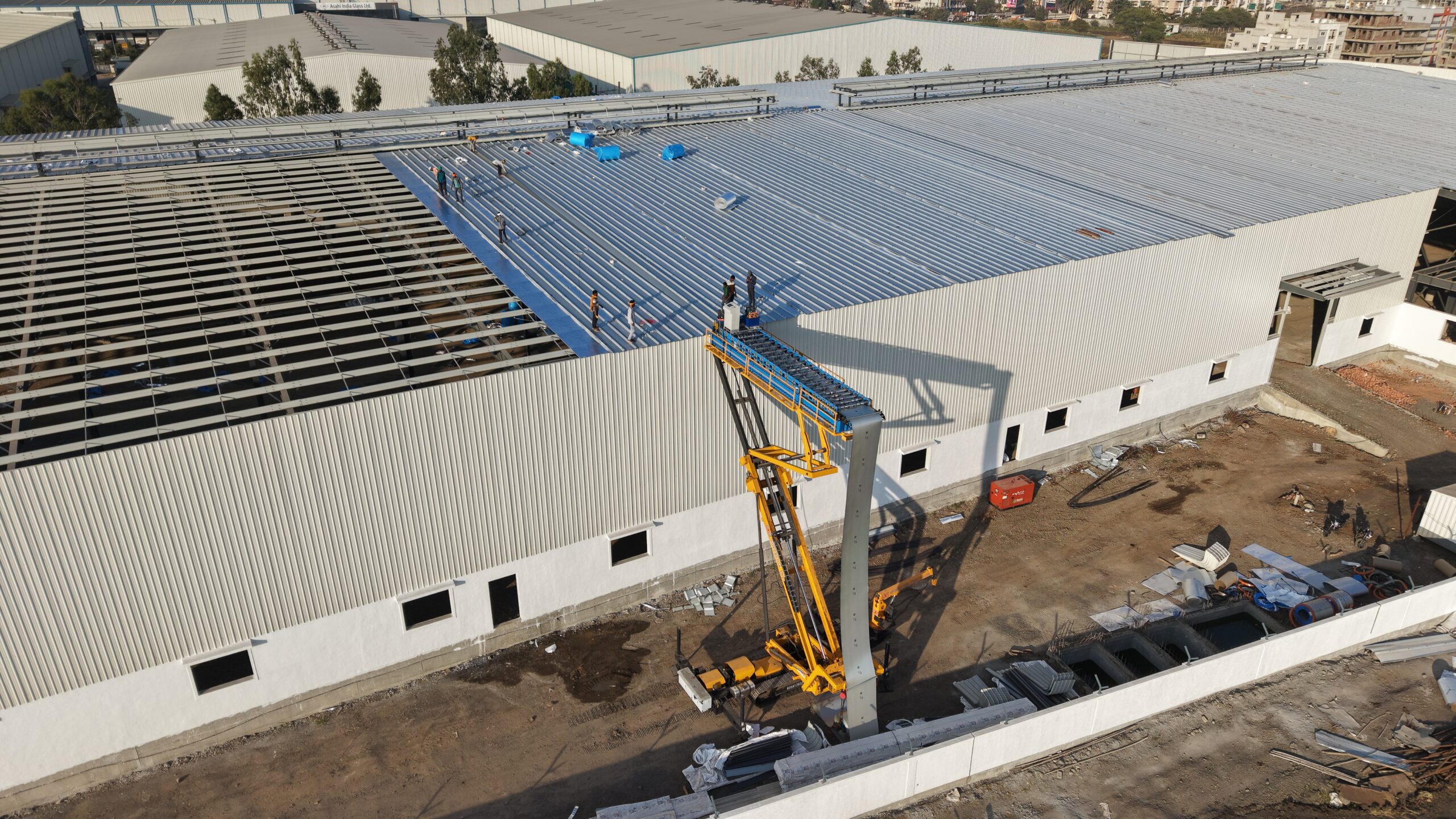
Standing seam roofing hides its fasteners under raised, interlocking seams, letting panels expand and contract freely with temperature. This gives it stronger leak resistance, lower long-term maintenance, and a longer service life — making it the preferred choice for warehouses, factories, cold storage, and other high-value industrial buildings.
Screw-down roofing fastens panels directly to the purlins with exposed, washer-sealed screws. It costs less upfront and installs faster, which makes it a sensible option for smaller sheds, budget-conscious projects, or structures with a shorter expected lifespan — but the exposed fasteners need periodic inspection and eventual replacement.
Standing seam roofing is a metal roofing system where adjacent panels connect through raised, vertical seams that snap or mechanically lock together. Instead of screws going through the sheet, the panels sit on concealed clips fixed to the purlins — so nothing punctures the roof surface itself.
Because the fastening hardware stays hidden beneath the panel joints, the roof presents an unbroken surface to rain, dust, and UV exposure. There’s no visible screw line for water to find its way through.
Where it’s typically used:
Standing seam panels are also engineered to accommodate thermal movement — the clips allow the sheet to slide slightly as it heats and cools, instead of straining against fixed screw points.
Sovereign Infra Steels manufactures standing seam profiles in-house using dedicated standing seam roll-forming lines (available in 610 mm and 1220 mm widths), so panels are produced to consistent, factory-controlled tolerances rather than sourced from third-party vendors.
Screw-down roofing — also known as exposed fastener roofing — uses self-drilling screws with rubber sealing washers to fix roofing sheets directly onto the purlins. The screw heads remain visible on the roof surface after installation.
It’s a simpler, faster, and less expensive system to install, which is why it shows up most often in:
The trade-off is that every screw is a potential water-entry point. The rubber washers that seal each screw are exposed directly to sun, rain, and daily temperature swings, so they age faster than a concealed clip system — which is why periodic inspection matters more here than with standing seam.
| FEATURE | STANDING SEAM ROOFING | SCREW-DOWN ROOFING |
|---|---|---|
| Fasteners | Concealed | Exposed |
| Leak resistance | Excellent | Moderate |
| Thermal movement | Fully accommodated | Limited |
| Maintenance | Very low | Moderate to high |
| Typical lifespan | 30–50+ years (material and maintenance dependent) | Generally shorter; depends on fastener condition |
| Wind performance | Excellent | Good |
| Appearance | Premium, seamless | Functional, ribbed with visible screws |
| Initial cost | Higher | Lower |
| Life-cycle cost | Lower over time | Higher over time |
| Best suited for | Warehouses, factories, logistics parks, commercial PEBs | Sheds, workshops, agricultural and budget builds |
Standing seam: Concealed clips are fixed to the purlins first. Panels are then laid and their raised edges are mechanically seamed or snapped together over the clips — no drilling through the panel face. The result is a continuous surface with zero screw penetrations, which is the main reason this system resists leaks so well.
Screw-down: Sheets are laid directly onto the purlins and fastened through the panel with self-drilling screws and sealing washers. It’s quicker to install and needs less specialised equipment, but each screw creates a penetration point that has to stay sealed for the life of the roof.
Water ingress in an industrial building isn’t a cosmetic issue — it can damage machinery, spoil stored inventory, saturate insulation, and shut down production.
Standing seam roofing avoids this risk at the source: since fasteners sit below the panel surface and seams interlock continuously, there’s no direct path for water to travel through the roof skin. This is why it’s the default specification for facilities where moisture control is non-negotiable — pharma units, electronics plants, and cold storage among them.
Screw-down roofing depends on the washers around each screw to stay sealed. That’s a reasonable system when properly installed and maintained, but it does mean the roof has hundreds (sometimes thousands) of individual seal points that can degrade with age, rather than one continuous barrier.
Every metal roof expands in heat and contracts in cold — that’s physics, not a defect. What differs is how each system handles that movement.
Standing seam panels sit on clips that let the sheet glide slightly as it expands and contracts, so the movement doesn’t put stress on the fastening points. Less stress at the fasteners means fewer loosened screws, fewer leaks, and a roof that keeps performing the way it was installed to perform.
Screw-down panels are fixed at each screw point, so the sheet has less room to move freely. Over years of thermal cycling — especially in regions with big day-to-night or seasonal temperature swings — screw holes can wallow slightly, which is why periodic fastener checks are recommended for this system.
Standing seam needs comparatively little upkeep. With no exposed screws or washers to degrade, there are simply fewer components exposed to weather that need periodic replacement. For high-bay warehouses or factory roofs where access is difficult and costly, that low-maintenance profile is a real operational advantage — fewer scheduled roof inspections, fewer contractor visits, less disruption to plant operations.
Screw-down requires a more active maintenance routine. Over time, it’s worth checking:
None of this is difficult, but it does add up in labour and access cost across the life of the building — particularly for tall industrial roofs where every inspection needs scaffolding or a lift.
When manufactured from quality Galvalume or galvanized steel with a good colour-coat finish, standing seam roofing is built for long-term performance — the concealed fastening, better thermal handling, and reduced surface exposure all work together to extend service life well beyond what an exposed-fastener system typically achieves.
Screw-down roofing is a genuinely durable system too, within its intended use case. Its long-term condition, though, is tied more closely to how well the exposed fasteners are maintained — which makes it a sound choice for structures with moderate performance expectations rather than 30-plus-year critical infrastructure.
The mistake most buyers make is comparing roofing systems purely on installation price. The number that actually matters is life-cycle cost — installation plus maintenance, repairs, energy use, and downtime, added up over the building’s working life.
Standing seam roofing costs more to install. That extra spend is typically recovered through:
This is why it tends to be the better financial decision for high-value facilities — warehouses holding expensive inventory, manufacturing lines that can’t afford downtime, or cold storage where a leak means spoiled stock.
Screw-down roofing costs less to install and suits projects where the priority is minimising capital expenditure — smaller sheds, agricultural structures, or buildings with a shorter planned lifespan. The trade-off is a higher likelihood of maintenance and repair spend over time.
A practical way to decide: if the building holds high-value inventory, runs continuous operations, or is expected to serve for 20+ years, evaluate the total life-cycle cost — not just the per-square-foot installation rate — before choosing.
Roofing affects more than leaks — it’s a major factor in how much heat enters the building, which directly drives HVAC and cooling costs for warehouses, cold storage, and manufacturing plants running equipment year-round.
Standing seam profiles pair well with a range of insulation systems, each suited to different performance priorities:
| INSULATION TYPE | HEAT REDUCTION | ACOUSTIC BENEFIT | FIRE SAFETY |
|---|---|---|---|
| Bubble Insulation (AM–AQ Series) | 6–12°C | 2–5 dB noise reduction | Fire-retardant grades available |
| XLPE Insulation (3–10mm) | 4–10°C | 2–5 dB noise reduction | Fire-retardant grades available |
| Glass Wool (50–100mm) | 8–14°C | 8–14 dB noise reduction | Non-combustible, withstands ~300°C |
| Rockwool (50–100mm) | 10–16°C | 8–15 dB noise reduction | Non-combustible, withstands >1,000°C |
Pairing a standing seam roof with the right insulation grade lowers indoor temperatures, reduces HVAC load, improves acoustic comfort for workers, and — depending on the material chosen — adds meaningful fire protection. This combination matters most for pharma units, food processing plants, and cold storage, where indoor climate control is part of the operational requirement, not just comfort.
Standing seam roofing fits well for:
Screw-down roofing fits well for:
There’s no universal “better” system — the right answer depends on what the building needs to do.
Lean toward standing seam roofing if you want:
Lean toward screw-down roofing if you want:
For most modern warehouses, logistics parks, manufacturing plants, and commercial PEBs in India, standing seam roofing tends to win out — the combination of low maintenance and long service life usually outweighs the higher day-one cost once you look at the numbers over 15–20 years.
Choosing the right roofing system is only half the equation — how well it’s manufactured and installed determines whether it actually delivers those benefits.
Sovereign Infra Steels Pvt. Ltd. (SISPL) manufactures both standing seam and conventional roofing/wall panel systems in-house at its Chakan, Pune facility, backed by:
Because roofing, structural steel, and cladding all come from a single in-house facility, SISPL can match the roofing system to the actual load, climate, and operational requirements of a project — rather than fitting a generic profile to every building.
There’s no single “correct” answer in the standing seam vs screw-down roofing debate — only the right answer for your specific project. If your priority is long-term reliability, minimal maintenance, and superior weather protection for a warehouse, factory, or commercial PEB, standing seam roofing is generally the stronger investment. If your priority is keeping upfront costs as low as possible for a smaller or shorter-life structure, screw-down roofing remains a sound, practical choice.
Our Projects
Hyundai Glovis India
JSW Steel Ltd.
John Deere
SANY Heavy Industries
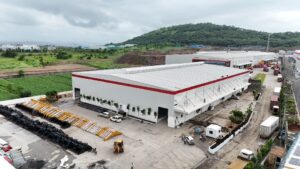
Hyundai Mobis
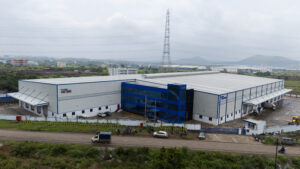
Asahi India Glass Ltd.
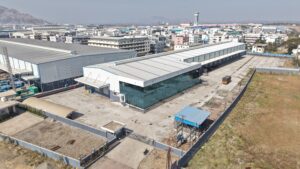
General FAQs
Standing seam roofing uses concealed clips under interlocking panel seams, with no fasteners penetrating the roof surface. Screw-down roofing fastens panels directly through the sheet using exposed, washer-sealed screws.
Standing seam roofing is generally the better fit for warehouses because of its stronger leak resistance, lower maintenance needs, and longer service life — important for buildings storing valuable inventory.
For most industrial and commercial projects expected to last 15+ years, yes — the higher installation cost is typically offset by lower maintenance, fewer repairs, and a longer roof life, making the life-cycle cost lower overall.
Yes, when properly designed and installed. Because there are no exposed fastener penetrations through the panel, standing seam roofing has fewer potential leak points than a screw-down system.
Need Help?
Download Our Company Profile
Please fill in the form below to receive the brochure.
This will close in 0 seconds
Email us with any questions or inquiries.